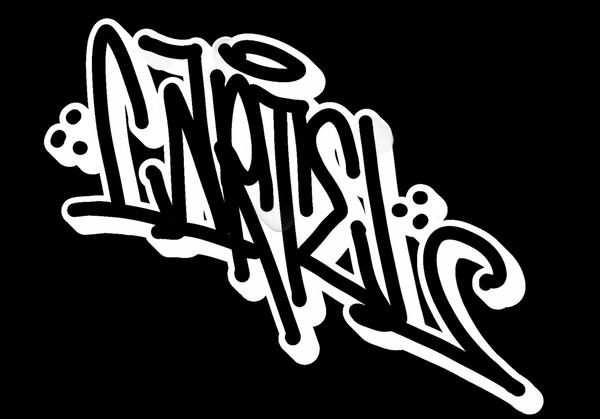
Getting into spray paint in New Zealand is easier than it's ever been. The products are better, the information is more accessible, and the community is more open. But there's still a knowledge gap for anyone starting from zero — and a lot of the online advice doesn't account for how things work here in Aotearoa. This is a straight answer to the question: where do I start?
What to Buy First
Start with MTN Hardcore 400ml. It's a high-quality, high-pressure aerosol that gives you consistent output, a wide colour range, and it's forgiving enough to learn on. It's what most writers in NZ use as their baseline.
Avoid cheap hardware store spray paint when you're learning. The inconsistent pressure and narrow colour options will work against you — you'll spend more time fighting the can than building skill.
For your first purchase, grab:
- A few colours — something light (white, yellow), something dark (black, navy), and one mid-tone you like
- A pack of fat caps (for fills) and a pack of skinny caps (for outlines)
- A simple surface to practice on — thick cardboard, MDF offcuts, or a primed hardboard panel
Learn on Cardboard First
Before you touch a wall, learn how the can behaves. Get a big sheet of cardboard from a packaging supplier or the back of an appliance box. Practice lines, fill coverage, cap swaps, and can distance.
The single most important variable to understand is distance. Hold the can too close and you get paint runs. Too far and you get a faded, overspray mess. Somewhere between 20–30cm is the sweet spot for most fills. For outlines with a skinny cap, closer — 10–15cm.
Also: keep the can moving. A static spray always leads to a run or a thick blob. Movement and distance together give you control.
Pressure and Paint Behaviour
MTN Hardcore is a high-pressure can — that's by design, it gives you faster fill coverage and a glossy finish. The trade-off is that it sprays hot and fast, so technique matters.
Cold cans spray differently. If you're painting in winter or early morning, keep your cans warm (inside, or in a jacket pocket) before use. Cold cans lose pressure and spray inconsistently. Shaking a cold can just wastes energy — warm it first.
Safe and Legal Painting
New Zealand has a number of legal surfaces where you can paint without any risk. Community-run graffiti parks, legal walls, and council-approved mural projects are the places to build your skill in public. Check with your local council (Bay of Plenty, Auckland, Wellington, and Christchurch all have options) for designated legal walls near you.
Wear a respirator, not just a dust mask. Aerosol paint produces fine particulate and solvent fumes — a P100 or OV/P100 combination respirator is worth the investment, especially if you're painting indoors or in an enclosed space.
What to Paint On
Surfaces matter. Porous, unpainted surfaces absorb a lot of paint and make it hard to get clean edges. Prime your practice boards with white spray primer first — it gives you a predictable base and your colours will look truer.
For outdoor legal walls, brick and concrete are common. They're thirsty and absorb more paint, so your first coat will look different to the final result. Two coats of background, let it dry, then start your piece.
The Community
The NZ graffiti scene is tight. If you're approaching it respectfully and wanting to learn, there's no shortage of people willing to share knowledge. Follow local writers on Instagram, attend community paint days, and when in doubt, ask.
We're based in Tauranga and we know the local scene well. If you have questions about products or getting started, hit us up — we're always happy to point people in the right direction.