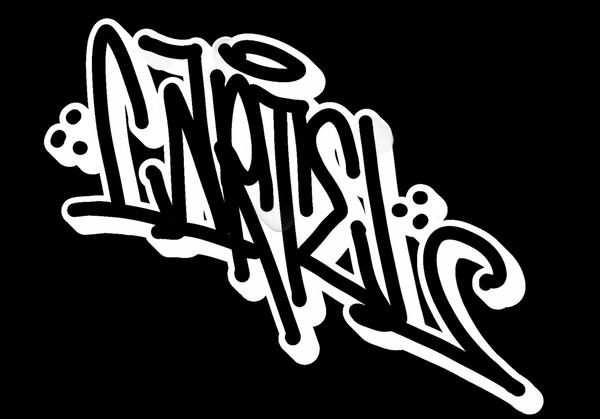
Graffiti has been part of Aotearoa New Zealand's visual culture for decades. It came in the same wave that brought hip-hop here in the 1980s and 1990s — through tapes, records, and people who made the pilgrimage overseas and came back with something to share. Since then it's grown into something genuinely local: a scene with its own characters, its own style, its own places.
How New Zealand's Scene Developed
The early New Zealand scene was centred in Auckland. Writers were working from limited information — magazine scans, blurry VHS footage, word of mouth. The infrastructure that exists now (online archives, tutorials, local suppliers) simply wasn't there. What was there was a community of people figuring it out themselves, developing styles that were informed by international writing but filtered through something that felt distinctly local.
Wellington and Christchurch had their own scenes running in parallel, and over the years the Bay of Plenty — including Tauranga and Mount Maunganui — developed a strong presence. The beach culture, the surf spots, the industrial edges of the waterfront — they've all provided both canvas and context for what's been painted here.
The Bay of Plenty
Tauranga and Mount Maunganui might not be the first place people think of when they think about NZ street art, but the scene here is real and it's been building for a long time. The Mount's walls have hosted work from local and visiting writers. There are murals across the city centre, in laneways, on community buildings, and on legal surfaces that have become proper galleries in their own right.
The community here leans toward quality. You see technical letter work alongside character painting and large-format murals — a mix that reflects both the old school roots of the form and the direction it's gone in recent years.
Legal Walls and Community Spaces
One of the better developments in recent years has been the formalisation of legal painting spaces. Councils in the Bay of Plenty and across New Zealand have progressively recognised the value of providing designated spaces — both as a creative outlet and as a way to channel skill toward something the community can engage with.
If you're looking to paint legally in the Bay area, check with Tauranga City Council and local arts organisations for current designated spots. These spaces let writers develop their craft without pressure, and they let the public actually see and appreciate what goes into the work.
Mural Culture
Alongside traditional letter-based graffiti, mural culture has grown significantly across the country. Community murals, business-commissioned work, and festival pieces have given writers a legitimate pathway to large-scale public work. Artists who started bombing trains are now being commissioned to paint entire building facades — and the quality shows.
New Zealand has produced a number of internationally recognised artists who came up through the graffiti scene. They've gone on to work in galleries, design, illustration, and commercial art — but the roots are the same. That's the through-line the scene here has always had: serious skill development in an informal context.
Supporting Local
One thing the NZ scene has always needed is proper local supply. For a long time, getting quality spray paint meant importing it or buying through limited retail channels at inflated prices. That's changed, but it's still something worth being conscious of — buying local means keeping money in the community, getting faster shipping, and having someone to call when you have a question.
Cartel Paint Supplies exists because of the scene here. We're based in Tauranga, we know the Bay, and we stock what local writers actually use. If you're painting here, we're your people.
The scene in Aotearoa is smaller than what you'll find in Europe or the US, but what it lacks in size it makes up for in quality and community. Painters here care about the work. They push each other. And the walls show it.